
Phone Number
+919942346470
Vermicompost
Vermicompost
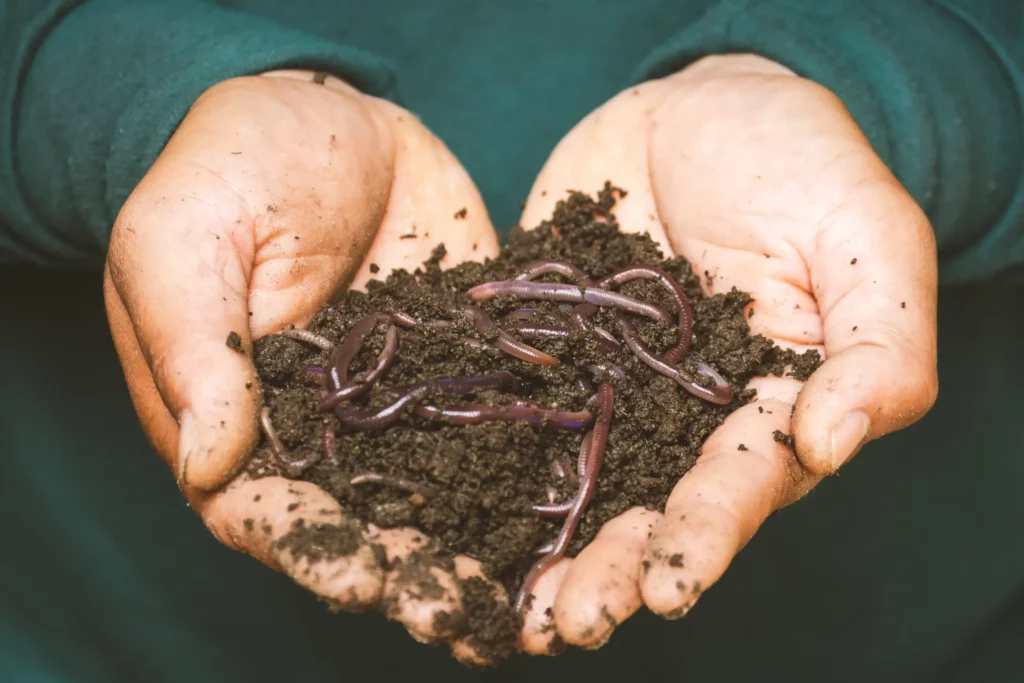
What exactly is Vermicompost?
Vermicomposting turns organic debris into worm castings, which are rich in nitrogen, potassium, phosphorus, calcium, and magnesium. They contain 5 times more available nitrogen, 7 times more available potash, and 1.5 times more calcium than topsoil. Earthworm castings improve soil aeration, porosity, structure, drainage, and water-holding capacity.
Their burrowing action enhances water permeability, and they can hold up to nine times their weight in water. Vermiconversion has been done on a small scale for some time, and a recommended rate of vermicompost application is 15-20 percent.
Preparation
Production Process
Advantages
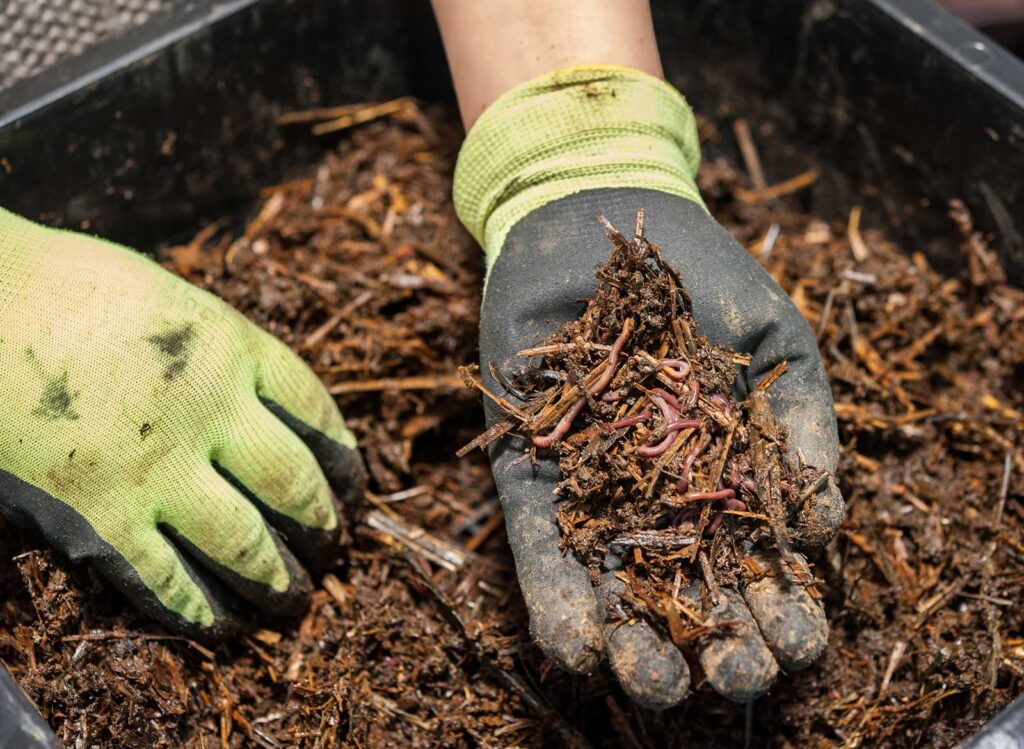
Preparation
Compost worms need The Five Essentials
- An hospitable living environment, usually called “bedding”
- A food source
- Adequate moisture (greater than 50% water content by weight)
- Adequate aeration
- Protection from temperature extremes
Production Process
- Selection of suitable earthworm
- Selection of site for vermicompost production
- Containers for vermicompost production
- Vermiculture bed
- Worm Food
- Watering the vermibed
- Harvesting vermicompost
- Storing and packing of vermicompost
Advantages
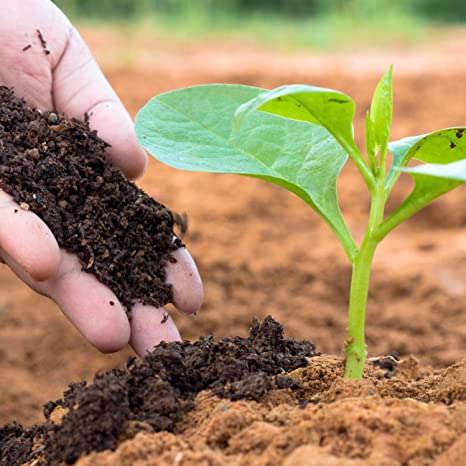
- Vermicompost is rich in all essential plant nutrients
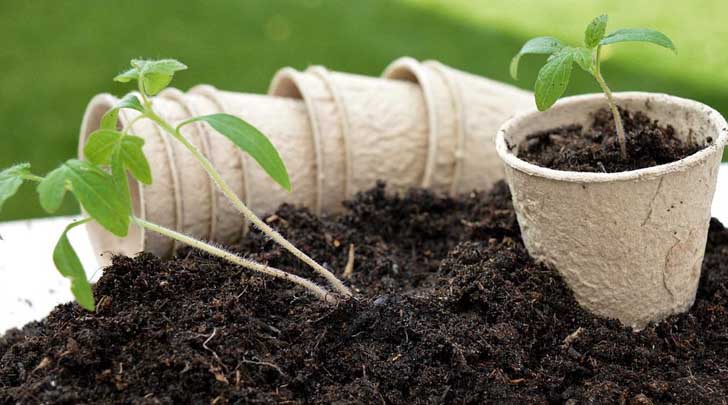
- Provides excellent effect on overall plant growth
- Free flowing, easy to apply, handle and store
- It improves soil structure, texture, aeration, and water holding capacity
- Rich in beneficial micro flora such as a fixers, P- solubilizers
- Contains earthworm cocoons and increases the population and activity of earthworm in the soil.
- It prevents nutrient losses and increases the use efficiency of chemical fertilizers.
- Vermicompost is free from pathogens, toxic elements, weed seeds etc.
- Vermicompost minimizes the incidence of pest and diseases.
- It enhances the decomposition of organic matter in soil.
- It contains valuable vitamins, enzymes and hormones like auxins, gibberellins etc.